
Saying yes to the dress is one thing – making sure it fits like a glove is another! Wedding gown alterations are a virtually inevitable part of being a bride and usually include tailoring your dress to your exact measurements and going over every detail of the gown’s construction to ensure perfection. How exactly do wedding gown alterations work? What should you know beforehand? Read on for our answers to your top FAQs!
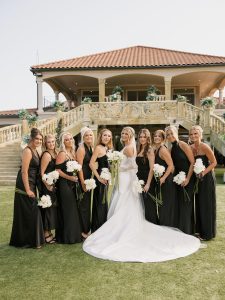
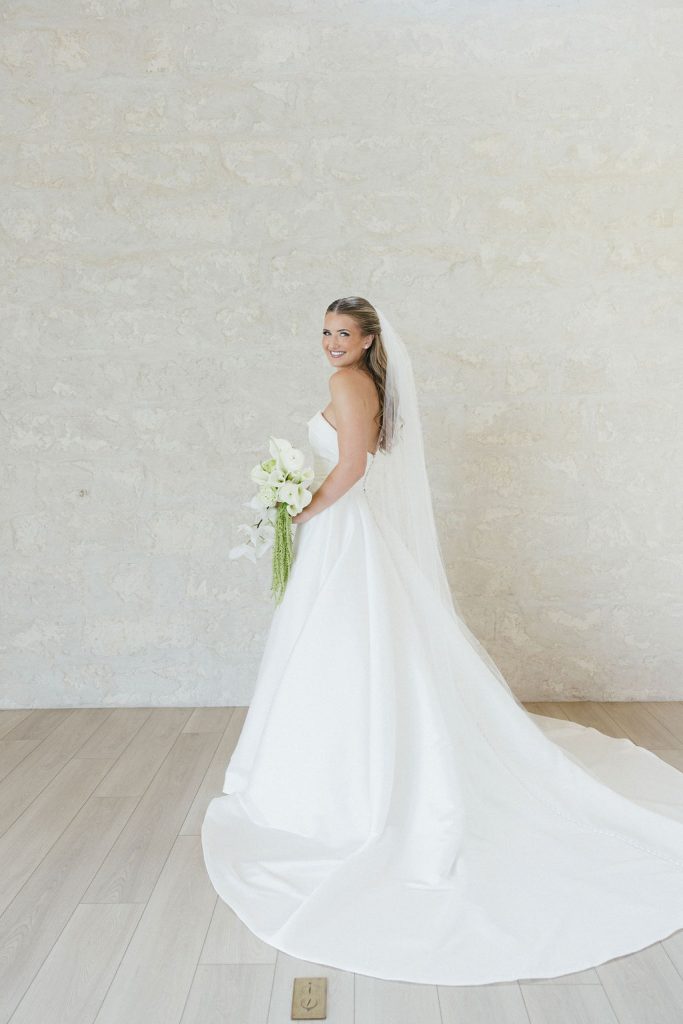
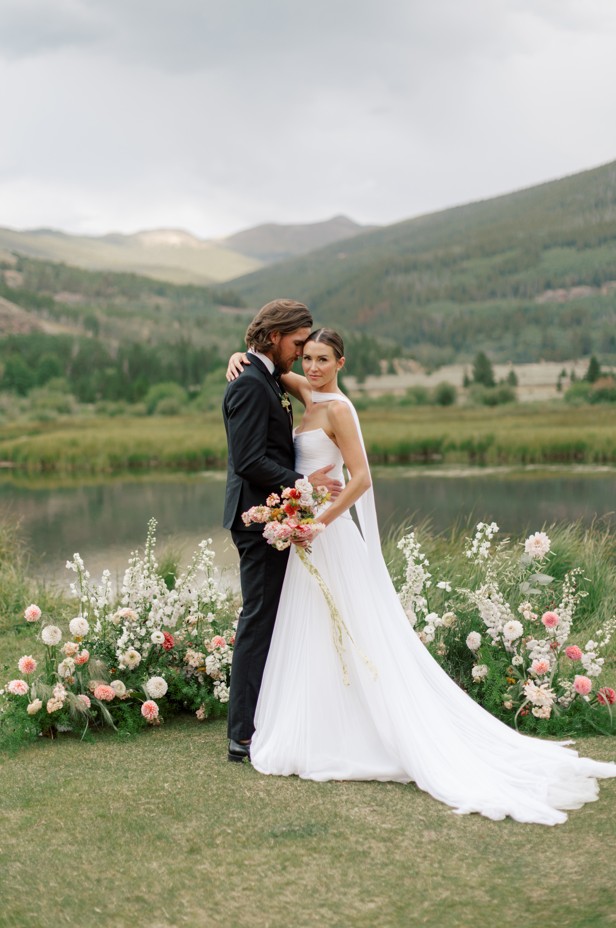
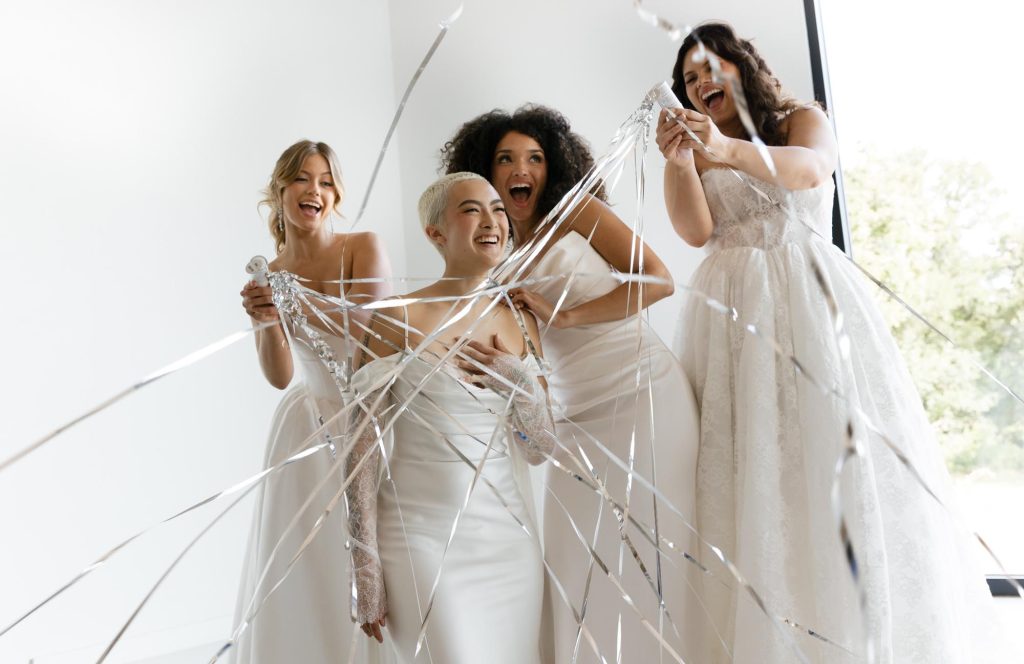
Gown: Bridal Boutique // Photo: Jess and Doz
Wedding Gown Alterations FAQs
Are alterations always done in-house at the boutique where I buy my gown?
Often, yes, but not always. Many bridal boutiques offer in-house alterations for a seamless experience, though some brides may be referred to a trusted outside tailor. If you choose to go off-site, it’s essential to work with someone who specializes in bridal. Wedding gowns require a level of precision and expertise far beyond everyday tailoring due to their delicate fabrics and detailed construction.
What kinds of adjustments can be made to my gown?
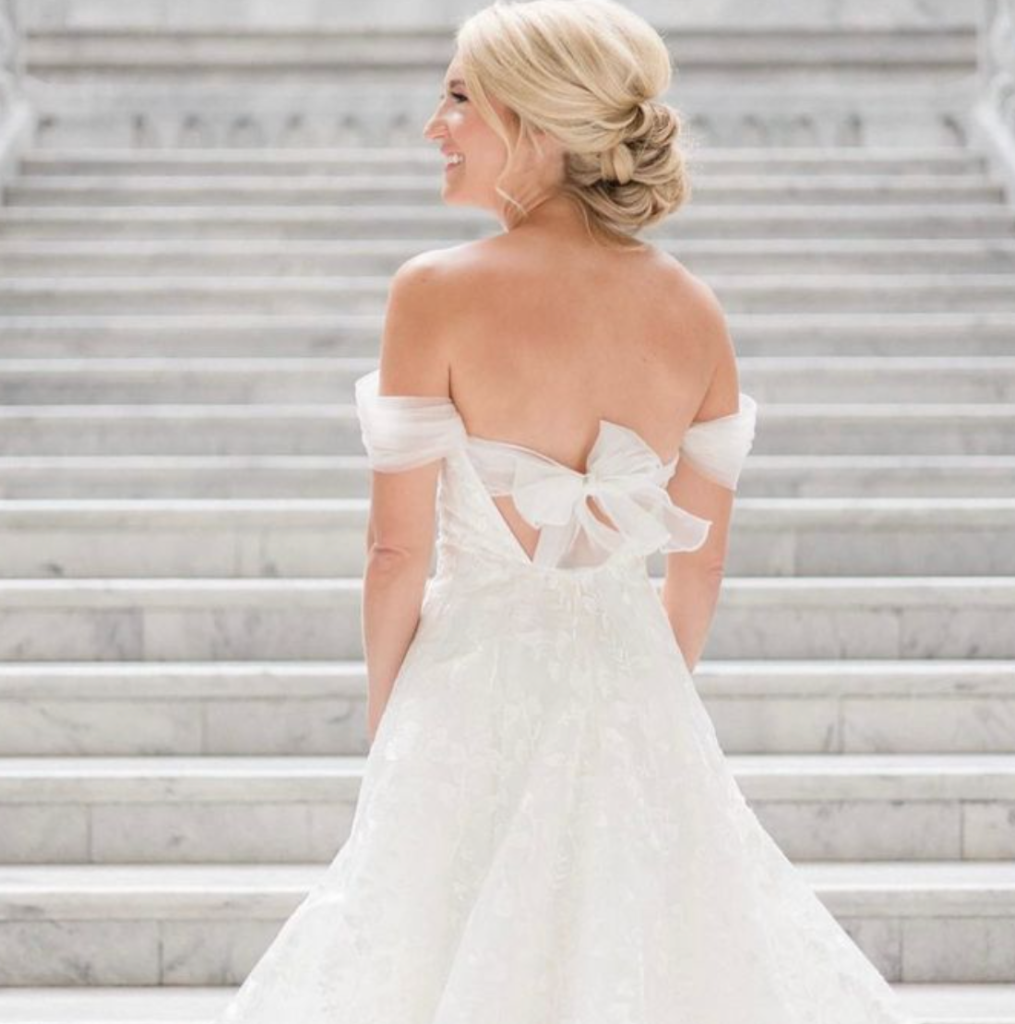
More than you might expect. Alterations go far beyond tailoring your gown to fit perfectly. A skilled seamstress can customize your dress to better reflect your style and comfort. From adding lace or tulle sleeves to incorporating built-in support, adjusting a bustle, or refining design details, small changes can make a significant impact.
If you’re drawn to your gown exactly as it is, classic alterations like hemming, taking in or letting out seams, and strap adjustments will ensure a flawless fit.
During your first fitting, communicate openly about what you love and what you would change. Even if certain modifications aren’t possible due to structure or budget, sharing your vision allows your tailor to create the best possible result.
How much should I expect to spend on alterations?
In the North Texas area, most brides invest between $300 and $1,500 for alterations. The final cost depends on the complexity of the work. Basic fit adjustments fall on the lower end, while more custom changes like adding sleeves or restructuring elements of the gown will increase the investment.
How much time should I allow for the alterations process?
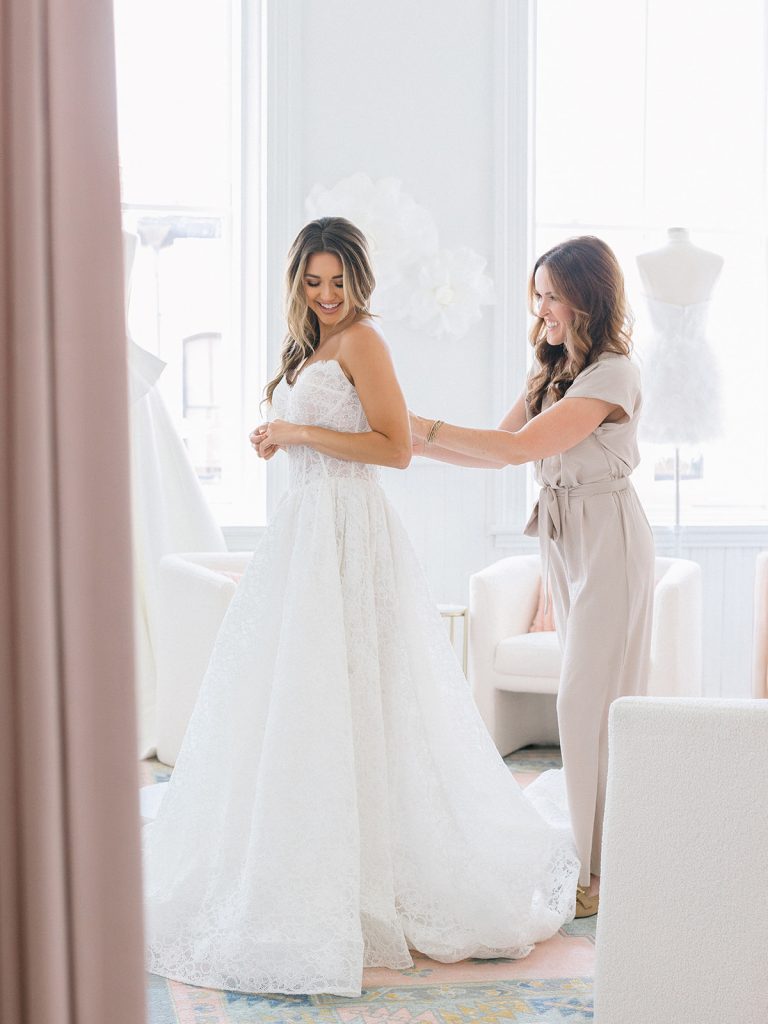
A good starting point is the “rule of threes”: plan for three months and at least three fittings.
Your first appointment typically includes pinning and mapping out adjustments. At the second fitting, you’ll review progress and fine-tune details. Additional fittings ensure everything fits exactly as it should.
Most alteration timelines span three to four months. If your engagement is longer, avoid starting too early since your body may naturally fluctuate. Instead, aim to have your final fitting completed at least two months before your wedding day.
What should I wear and bring to my wedding dress fitting?
Bring your wedding shoes and the undergarments or shapewear you plan to wear. These details make a difference in how your gown fits and falls.
If you haven’t selected shapewear yet, your tailor can guide you toward options that complement your dress and enhance the overall silhouette.
We hope this answers some of your biggest questions about wedding gown alterations. If you’re still searching for your gown, explore our curated list of North Texas bridal boutiques and start your journey to a perfectly tailored look.
We hope we could help answer some of the biggest questions about wedding gown alterations! Haven’t found the dress of your dreams yet? Schedule an appointment with one of these North Texas bridal boutiques!




Other Local Vendors:
Emerald Bridal Lounge