How to Write Wedding Vows That Feel Natural, Meaningful, and Stress-Free
Writing wedding vows allows couples to step beyond tradition and speak directly to one another. These words create a lasting moment of connection and commitment, marking the beginning of married life.
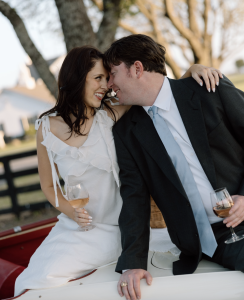
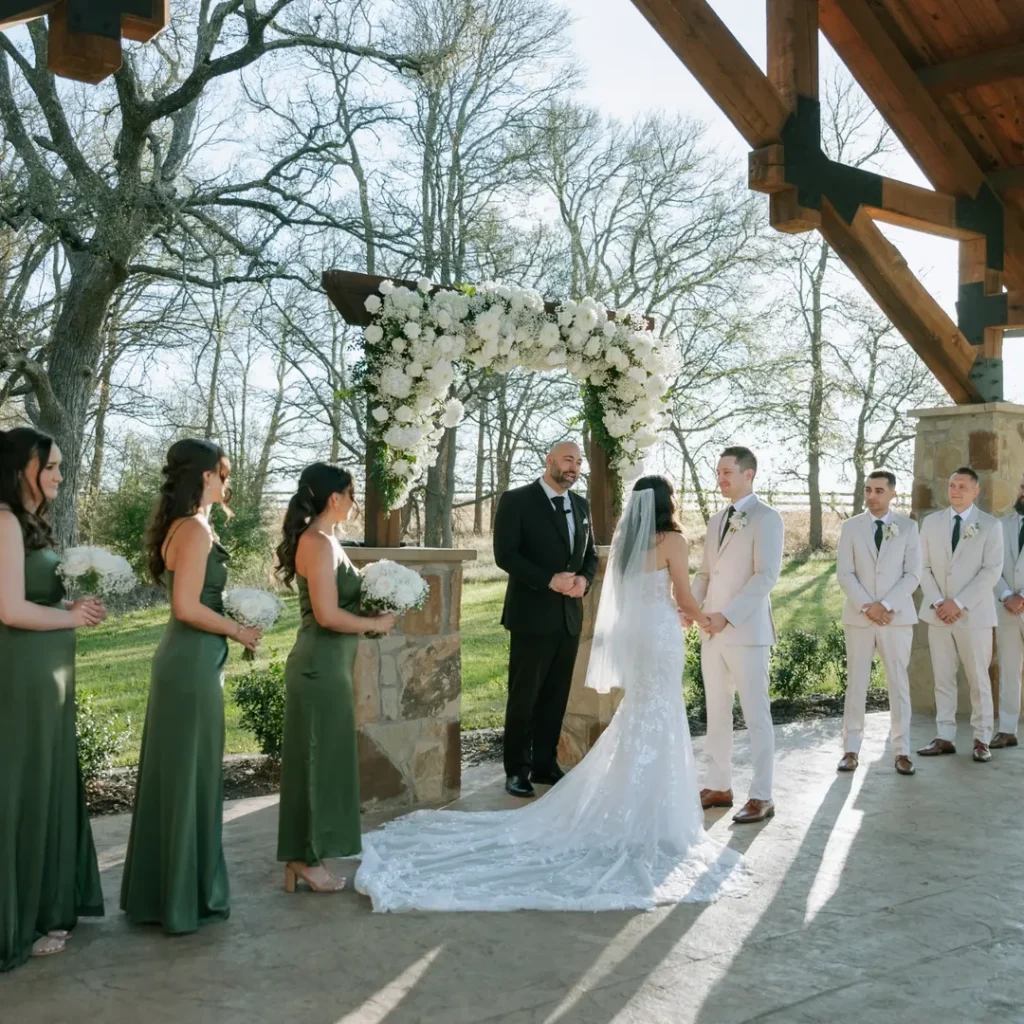
Photo // Mazzy May Photography
When Meaning Matters More Than Length
Writing wedding vows is one of the most personal parts of the wedding day. While choosing a venue or finalizing a guest list can feel overwhelming, vows often carry a different kind of pressure. These are the promises couples carry into their marriage long after the celebration ends, which can make it difficult to know where to begin.
If you are feeling stuck, you are not alone. One of the most common questions couples ask when starting the vow writing process is surprisingly simple: How long should our vows be?
According to Jeremy Lane of Lane Ceremonies, length matters far less than intention. He encourages couples to focus on the tone they want to strike and what they truly want to communicate to one another. When couples lead with meaning instead of structure, the length of the vows tends to work itself out naturally. This moment is about making forever commitments and saying everything you want to say without regrets.
Focus on the Feeling, Not the Spotlight
Much of the stress around vow writing does not come from the writing itself, but from the situation surrounding it. Some couples feel nervous about being the center of attention, while others worry about becoming emotional during the ceremony.Jeremy often reassures couples that emotion is natural, especially on such a meaningful day. A thoughtful officiant helps guide the ceremony so couples can remain present with one another rather than worrying about the audience. When couples remember that their vows are meant for each other, the process often feels far more manageable.
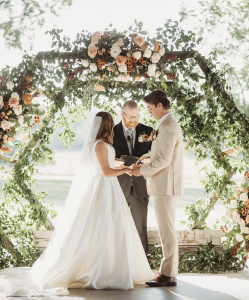
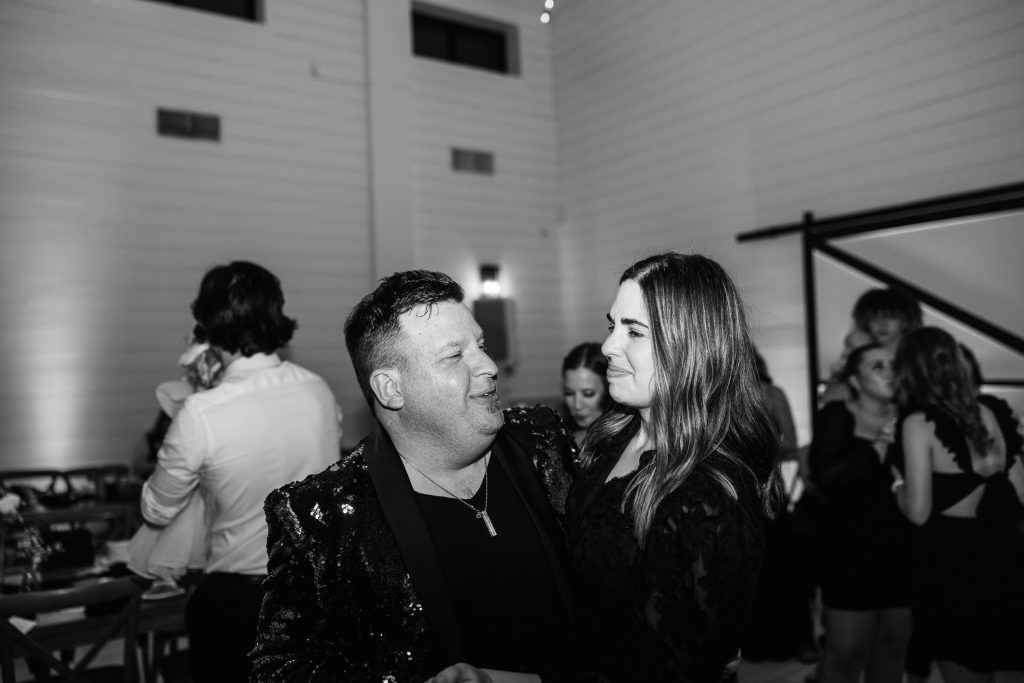
Photo // Tamra Horner Photography
Keep Vows Personal Without Overdoing the Details
Many couples want to include the story of their relationship in their vows, which is completely understandable. However, vows are often most impactful when they remain focused on the commitment being made rather than a full retelling of how the relationship began.
Jeremy notes that this does not mean couples need to sacrifice meaningful details. Instead, those moments can be shared in other creative ways throughout the ceremony. This might include remarks from the officiant, a welcome message, or intentional readings. The key is deciding where each element fits best so the ceremony feels balanced and intentional. A good officiant helps guide those conversations and makes the process feel seamless and stress free.
Write From the Heart, Not a Formula
While some couples ask for a vow writing framework, Jeremy avoids being overly prescriptive. He believes vows are most powerful when written in a couple’s own words and natural voice.
A helpful starting point is reviewing examples in a variety of tones, such as deeply emotional, playful and humorous, or sentimental but light. Seeing different approaches often helps couples clarify what feels most authentic to them. From there, the words usually begin to come together more naturally.
Why Your Wedding Officiant Matters in the Vow Writing Process
A trusted wedding officiant plays an important role in helping couples feel confident as they prepare their vows. From offering guidance on tone to helping couples decide how and where certain details should be shared, officiants help ensure the ceremony flows smoothly and feels true to the couple.
Speaking with your officiant early in the planning process allows couples to explore different options for sharing their story while keeping the vows centered on their marriage commitment.